


I know what you are going to say. 😏 LinkedIn. Eww..🙄 LinkedIn is this weird place where influencers reach late-stage capitalism level of cringe.
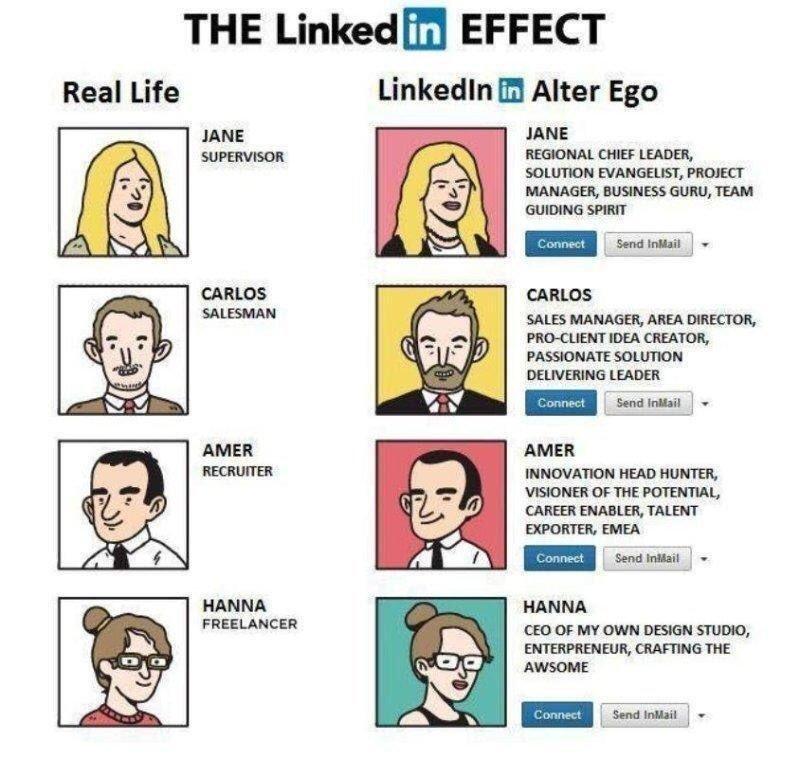
And yet, LinkedIn is an indispensable tool in the arsenal of women in software engineering. Remember, you are the captain, and a good captain will use every tool at her disposal.
LinkedIn is how I found every job I have had since I graduated, either by applying for it on the site, or by being contacted directly by recruiters or head-hunters. It is also how I keep in touch with my mentors and mentees. In this Part III of Seafaring for Women in Software Engineering, I will give you all the tips and tricks to leverage LinkedIn.
Chance favors the prepared mind. - Louis Pasteur
Find your next opportunity, or let it find you!
First of all, ignore the social media aspect of LinkedIn, even though you might have found this blog on LinkedIn. 😬 LinkedIn has two main ways to present you with your next opportunity:
- Via direct application using LinkedIn Jobs.
- Via your LinkedIn connections.
LinkedIn Jobs
LinkedIn Jobs is a traditional job posting board like Indeed or Monster. You should absolutely crawl every job board that is relevant to you, not just LinkedIn. Most job boards will have filters and notification systems. Use the LinkedIn Job filter alerts to increase your chances. Recruiters tend to look at resumes in the order they arrived, so the earlier the better.
LinkedIn is not much different from other job posting sites in that regard. What will truly help you forward, is the LinkedIn Graph.
LinkedIn Graph
The LinkedIn algorithm builds a graph using people’s connections. When two people are directly connected, they are “1st degree” connections. If they don’t have a connection, but have a connection in common, they are “2nd degree” connections. A third degree connection is a two-connected-person separation in the graph. And so forth.
When a recruiter searches for their new rock star software engineer (YOU!), the LinkedIn algorithm shows results within the “local network” of the recruiter, that is within their 1st, 2nd or 3rd degree of connection. If you want that recruiter to find you, you need to reduce the distance between you and them in the LinkedIn graph. Thus, you need to add a LOT of people on LinkedIn. Let’s get started! 😎
- Add your current and former colleagues
- Add your management chain: manager, director, VP, etc.
- Add your college cohort (people who graduated with the same degree than you)
- Add any recruiter, “talent acquisition”, “talent manager”, “staffing specialist”, that randomly requests a connection.
- Add people you meet at conferences, workshops, meetups, etc.
- Add me 🤗
Quality and quantity may seem at odds, but don’t be shy about adding people who reach out. You do not need to know someone personally to connect with them. LinkedIn is not Facebook. It’s not about them, it’s about the LinkedIn graph. Honestly, I rarely reject a LinkedIn connection. If they spam me with marketing, I mute them but I keep the connection because they often have very large networks of people in the tech industry.
Since I graduated, 2 out of 3 roles I held were opportunities presented to me by recruiters or head-hunters who found me on LinkedIn. Early on in your career, answering job posting is likely to be you main avenue to find opportunities. But as you progress, being “found” will become more and more relevant to your job search. So don’t wait to build your network!
Use the LinkedIn features
You can increase the chances of someone reaching out to you by using the “Open to Work” feature. There is an option to hide it from your current employer. (I just leave it on all the time so that no one perks up if it changes.).
People will send you opportunities that are so unrelated to your skills, you will wonder if they even looked at your profile (they didn’t). Unfortunately, it is a game of numbers. But eventually, one of those opportunities will be your next move. Be patient and keep at it.
Curate your LinkedIn Profile
Resumes and LinkedIn profiles serve slightly different purpose. In my view, a LinkedIn profile is an online curriculum vitea (CV), that is, an exhaustive list and description of your experience. You should list all of your roles, degrees, certifications, patents, awards. One exception: for the love of all that is Holy, don’t put your GPA. I absolutely guarantee you that nobody cares about your GPA once you graduate.
In the Experience section, add a thorough description of your tasks, responsibilities, and achievements. The World Wide Web is litter with articles on how to write resumes, so I won’t repeat those here. Below is an example from my LinkedIn.
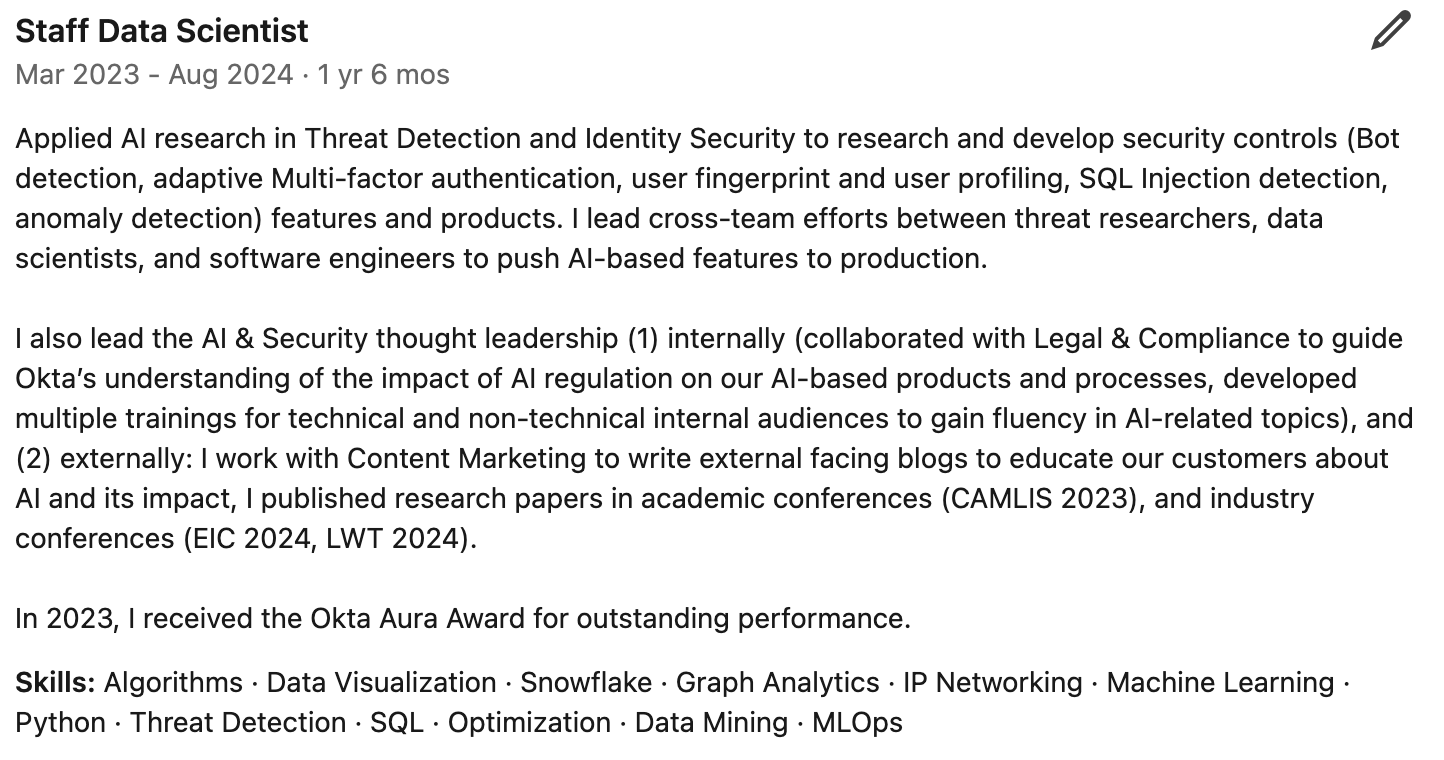
On a side note, as you progress in your career, your earlier experiences might become less and less relevant. If you keep on getting “found” because you have those experiences, I would keep the experience, because it demonstrates your progression, but I would remove most of the description. I have not tested this approach yet.
However, it is true that the water was muddied recently when algorithms started to be used to allegedly “identify the best candidates”, but instead created more discriminations. Some suggests to use AI to write your resume in order to combat it. Whether or not you use AI to write your Experience section, the point of putting everything on your LinkedIn profile is yet again to exploit the LinkedIn algorithm. You have built your network and you are now closer to many recruiters. But for the recruiters to find you, you need to have the right keywords. By being exhaustive about your experience, you increase the number of keywords, which in turn, increases your chances to pop up in someone’s search.
Finally, I do find it practical to have everything on LinkedIn. That way, when applying to specific jobs, I can pick and choose what I need from my profile to tailor a resume.
Don’t Lie.
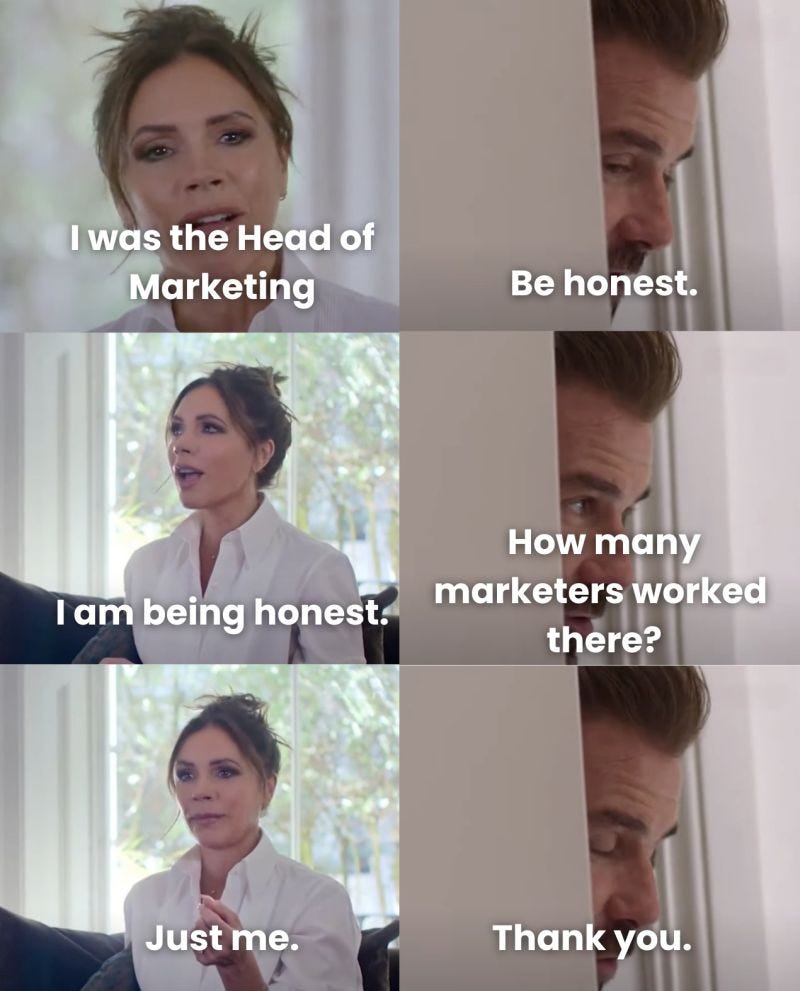
I think there is an important difference between grossly inflating your experience and skills, and doing yourself justice. I wrote about how you should be your best advocate when writing your performance review. Write your LinkedIn Profile like you write your performance review. Do yourself justice, but don’t over do it. You might do yourself a disservice. I once worked with someone who claimed on their LinkedIn/resume to have “mentored 30+ Data Scientists” at their previous position. After joining our team, they never demonstrated any ability to reproduce such a feat. People do notice, and a reputation is easily damaged.
LinkedIn can be a weird, artificial, sometimes dehumanizing place, but their graph algorithm can be leverage to surface opportunities you otherwise would have not considered. Use the tools and ASK 👏 FOR 👏 IT 👏!